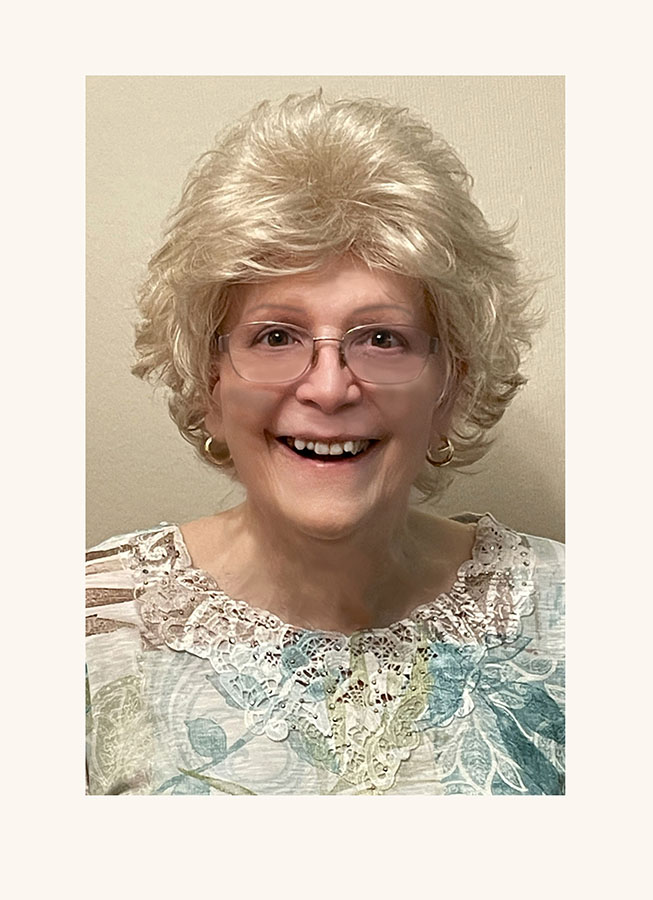
Your Strategic Science Leadership Partner – Maren Sandra Jansen, PhD
Executive Coach for Senior Women ICs and Leaders in Science
I spent 32 years inside scientific and technical organizations learning – mostly the hard way – how leadership advancement works.
Chemistry career
For the last 13 of my 20 year chemistry career, I led work in research chemistry. I supervised technical teams, presented complex findings to senior leadership and customers, represented my company on an international task force, and introduced three new analytical capabilities while working full-time and earning my PhD. I held the title of Associate Scientist — at the time, the highest title in my analytical chemistry research group.
When my group leader left, I was under consideration for the position. Someone much more junior went directly to the division VP and made his case. He didn’t wait but understood, more clearly than I did at the time, that the decision wasn’t going to be made on capability alone. It was going to be shaped by who was visible to the person making it.
That experience changed how I understand leadership in scientific organizations — not because of the outcome itself, but because of what it made visible. The system advancing people into senior leadership is not the system most scientists are taught to navigate.
Career pivots to IT and Business Analysis – and a different angle on the same lesson
After two decades in research chemistry, I moved into technology, working as a Senior Programmer-Analyst and later as a Business Systems Analyst. The work was different; the underlying skill was similar. I frequently influenced outcomes without formal authority — translating business requirements into technical specifications, aligning cross-functional teams, reading stakeholder priorities. The kind of work that determines whether leadership trusts you with bigger work, but that seldom rarely shows up on a résumé.
As a business analyst I gained four years’ experience of influencing without authority.
During the Great Recession, I navigated significant turning points. I transitioned genders while employed in a corporate environment. I was laid off in 2009, then I rebuilt my life and career.
Across science, technology, leadership, and reinvention, one pattern became impossible to ignore: complex organizations reward strategy, not just competence. The people who advance into senior leadership are not always the most capable. They are the ones who understand how decisions are made — and position themselves accordingly.
What I do now
I work with senior women ICs and leaders in science — senior scientists, senior managers, directors and VPs — who have built strong careers on technical credibility and are ready to lead with the strategic influence and organizational impact their current role doesn’t fully allow.
Quiet Power Science™ is built on the conviction that effective leadership at this level does not require performing extroversion, playing politics, or sacrificing your values.
Authority grows from clarity, not performance. And the rules of advancement at the senior level are learnable — they just must be made visible first.